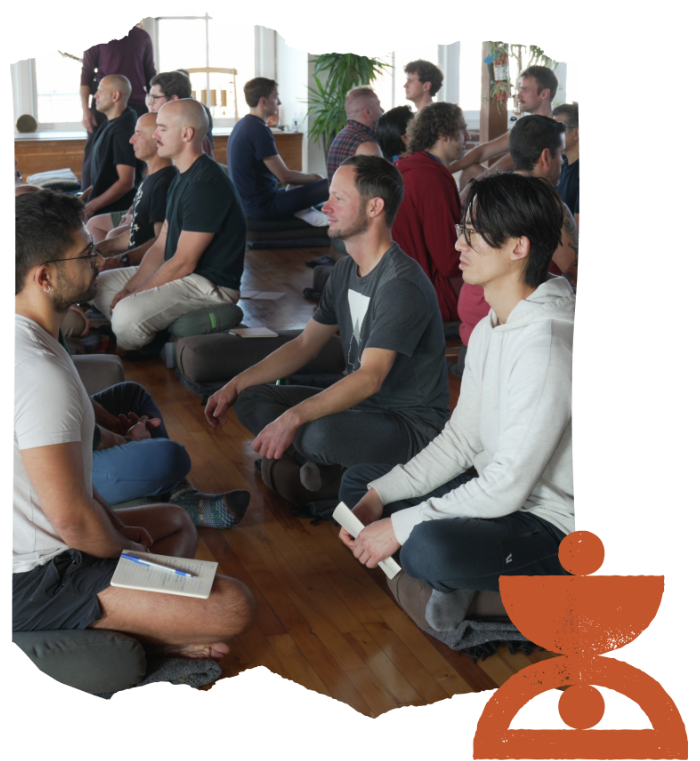










Starting trauma recovery can feel like stepping into something without a clear map. And for gay men, that step can sometimes feel even heavier. There may be a mix of old hurt and new questions, along with unsure moments of hope. That’s all part of it. Gay men trauma recovery often means finding ways to feel safe in our bodies again, especially after years of being told, directly or quietly, that who we are needs to be hidden or changed. When we begin to unlearn that message, we might notice parts of ourselves waking up for the first time in a long while.
This kind of healing doesn’t always look the way we expect. Some days move slowly, and that’s okay. Near the end of winter in San Francisco, when the air starts to soften but doesn’t quite shift, there’s something about the season that matches this process. It asks us not to rush. It gives room to check in with the body and notice what’s already there.
Understanding What Trauma Feels Like in the Body
Before we can name trauma with words, our body often feels it. We might tighten our shoulders without realizing it, clench our jaw, or feel like our breath disappears in certain moments. These things don’t happen for no reason. The body is trying to protect us the best way it knows how.
Common signals can include:
- Shutting down or feeling numb when things get overwhelming
- Feeling jumpy when something small throws us off
- Tension that doesn’t go away, no matter how much we stretch
- Trouble sleeping, or sleeping too much
These are normal responses. They’re ways the body says, “I’m not sure it’s safe yet.” It doesn’t mean something’s wrong, only that something needs care.
And here’s the thing, it’s okay if you can’t explain it all. Sometimes the story behind these physical reactions is out of reach for a while. What matters is that you start where you are and listen to what your body is already saying.
Emotional Patterns You Might Notice Early On
As we begin trauma recovery, emotions can slip in sideways. We might feel shame for how shaken we’ve been, or guilt for not handling things “right.” Fear of being seen often comes up, especially if our early experiences around being gay were full of hiding or judgment. Healing brings those old messages to the surface, but only so they can shift.
Sometimes, that looks like:
- Feeling isolated, even when you’re not alone
- Worrying that you’re overreacting or being weak
- Doubting whether your hurt “counts” if there wasn’t one big traumatic event
These emotions don’t mean you’re heading in the wrong direction. They actually show that something is beginning to loosen. You’re looking clearly at what used to stay buried, which takes more strength than it might seem. We don’t have to be fixed to be worth caring for. Our response is valid, even when we can’t make sense of it yet.
Finding Safe Practices That Support the Nervous System
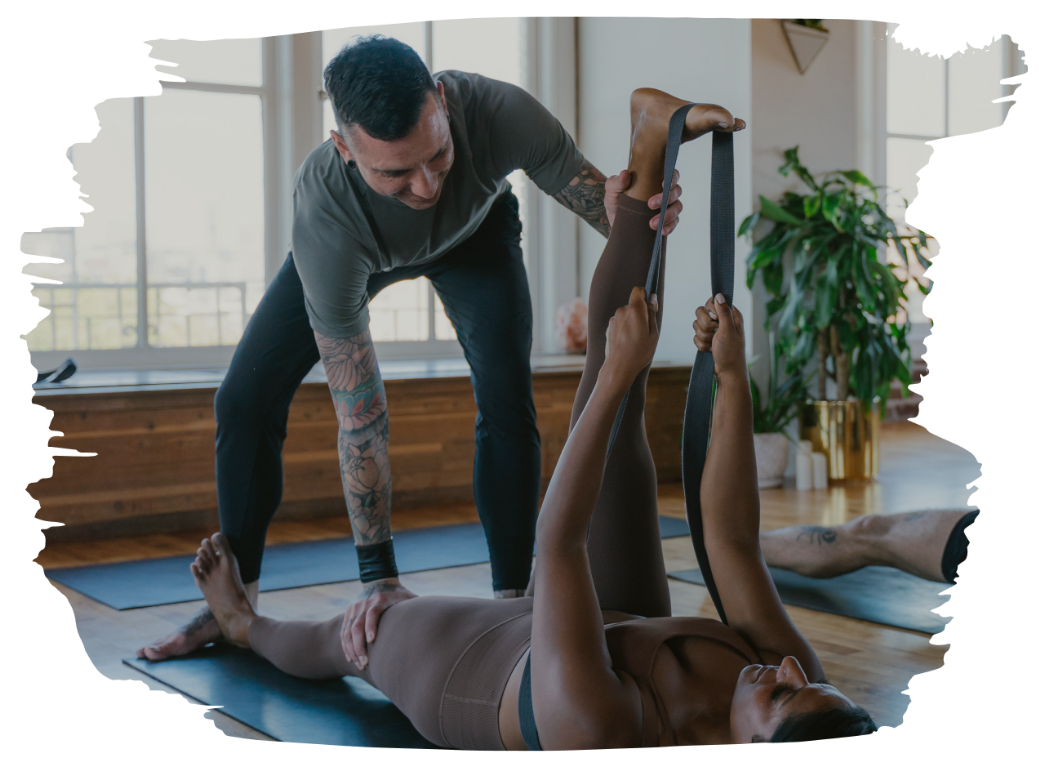
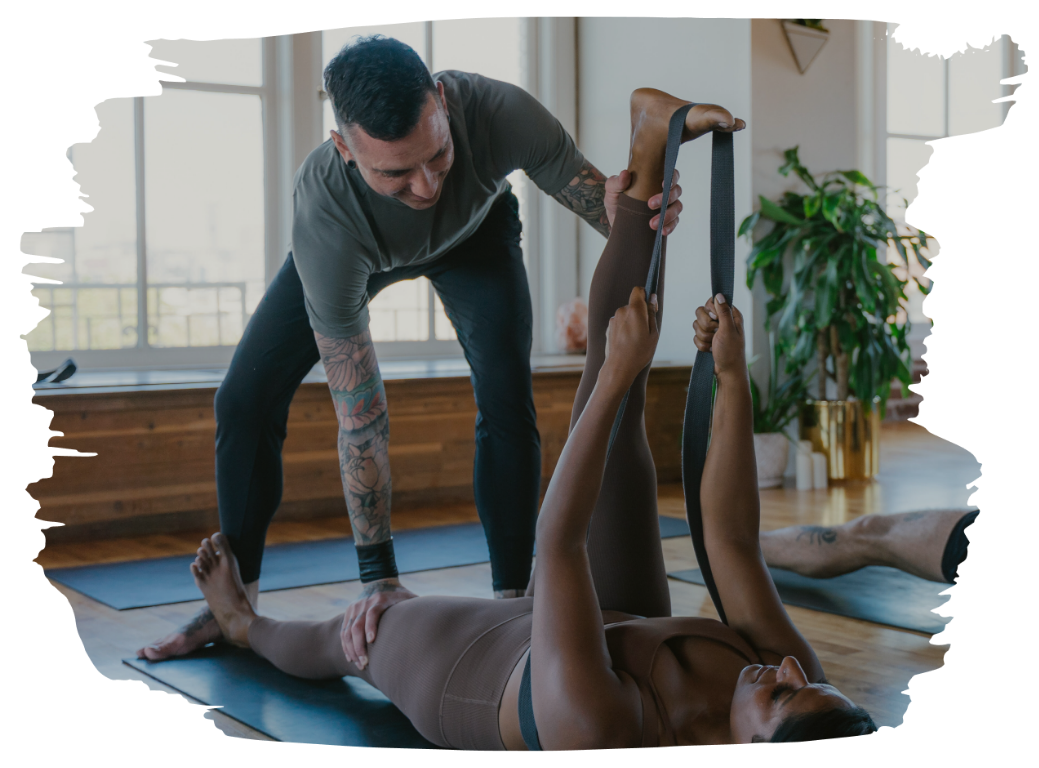
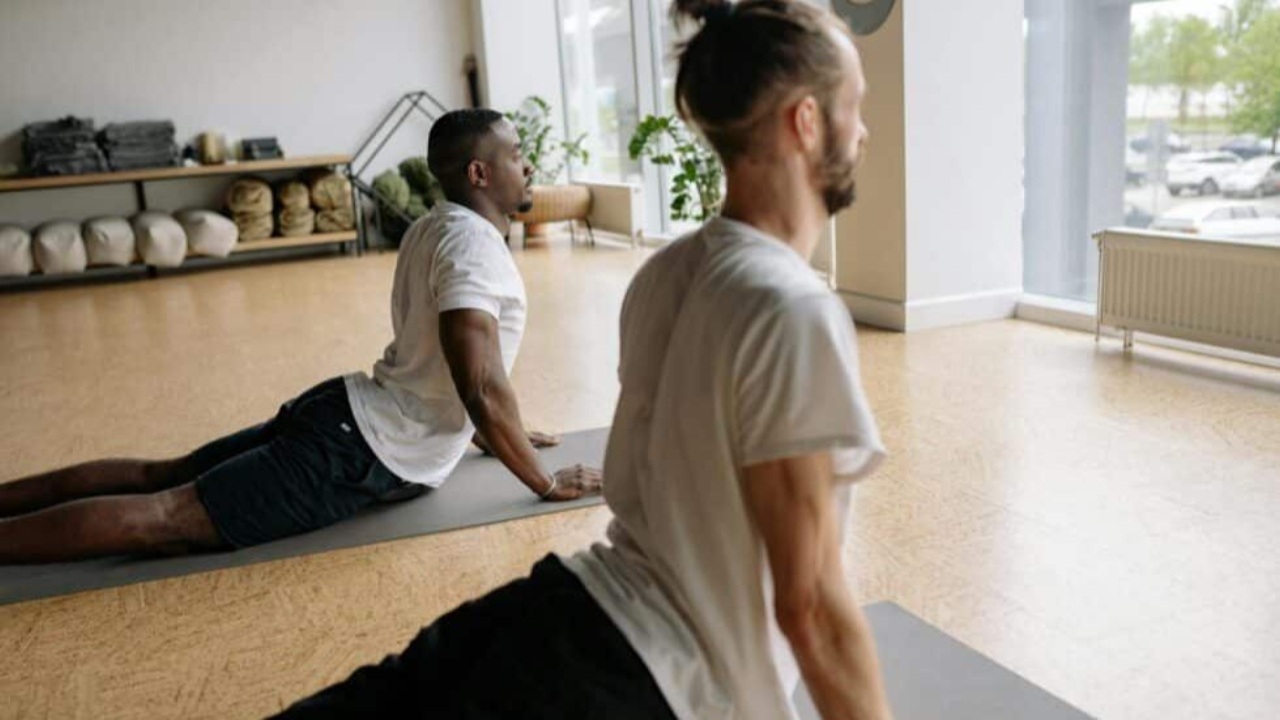
Healing the nervous system doesn’t require deep dives or emotional overwhelm. Sometimes, the best support is something simple and steady. We believe gentle movement can really help, like a slow yoga sequence that encourages breath, or a walk where you take in the air without any noise in your ears.
Especially in gay men trauma recovery, the goal is to find what lets us shift gears without needing to explain every feeling. This part of the season, right before spring pushes forward, already invites that kind of slowing down. There’s less pressure to perform. We can use that space to:
- Pause and feel our feet on the ground
- Notice if certain positions bring ease or discomfort
- Let physical stillness be enough for one day
The nervous system doesn’t ask for big change. It asks for attention. The small habits we begin now often become the ones that last, because they don’t depend on motivation, just intention.
Common Myths About Healing and Progress
A lot of people expect healing to look linear, but that’s not how it works. We’re often told there’s a right way to get better, or that moving fast means we’re strong. But those ideas can end up doing more harm than good.
You might notice:
- Feeling like you’ve taken a step backward, even when you haven’t
- Comparing yourself to others and coming up short
- Judging your healing when it doesn’t look like what you wanted
There’s no deadline here. Progress can look like resting when you used to push through. Or saying no when you once stayed quiet. And if some days feel like they bring everything back up again, that doesn’t mean you’ve failed. It just means you’re paying attention. That awareness is part of the process, not a distraction from it.
Healing isn’t something you finish. It’s something you build a relationship with.
Steps Forward Without Forcing It
There’s a way through, but it doesn’t have to be a rush. One of the kindest things we can do is stop pushing ourselves to feel better overnight. Slowing down is powerful work, and letting ourselves move at the pace of our own comfort is something many of us never got permission to do before.
As we move through the colder weeks in San Francisco, the light is changing. There’s more room again to move, to breathe, to think differently. That rhythm can support us if we let it. You don’t have to figure everything out. Some days, it’s enough to notice the tension in your hands, relax your jaw, or say to yourself, “This is a lot, and I’m still here.”
Recovery is not about erasing pain, but learning how to be with it. When we treat ourselves with patience and care, we start to build a kind of trust that goes deeper than words. And that’s something to hold onto.
Gentle Guidance for Your Own Recovery
Healing happens in quiet, steady ways. And we get to decide what that feels like for us.
At Danni Pomplun, we know that beginning your journey of gay men trauma recovery can feel overwhelming, but connecting with your body through movement, breath, and mindful attention offers real support. Whether you’re easing into spring in San Francisco or becoming more present with yourself, showing up for your own growth is what matters most. Explore what’s possible and see how our gay men trauma recovery offerings can help. Reach out when you’re ready to take the next step together.