









Not everyone heals the same way. For some, talk therapy is enough. For others, healing means looking past traditional approaches and finding methods that feel more embodied, flexible, and personal. Lately, we’ve noticed an increased curiosity about gay men trauma recovery microdosing, especially in San Francisco.

Conversations are shifting. Some are asking if microdosing could be part of building a gentler recovery experience, especially after years of carrying pain tied to identity, safety, or shame. We are not making big claims here. Instead, we are opening the door to a discussion that has been quietly growing. Healing looks different for each of us, and it helps when there is space to understand what is possible.

What Microdosing Means and How It’s Being Used

Microdosing, in simple terms, usually means taking a substance in very small amounts, just enough to notice subtle shifts without overwhelming the system. People who try it often say they feel more present, more emotionally open, or a bit less triggered in day-to-day situations. It is not about escaping from feelings. It is about being able to stay with them, gently.

Some use microdosing with the intention of softening rigid thought loops or emotional responses that got built during trauma. It is less about the substance and more about the way it is used, low, intentional, and often paired with other body-based or integrative practices.

The types of shifts people hope to support include:

  • Clearer thinking, especially around strong emotions
  • A more open or relaxed baseline in the nervous system
  • Moments of calm or internal space when things feel tight or overwhelming

It is not for everyone. For those who engage with it, it is often part of a wider healing process, not the center of it.

Why Some Gay Men Are Exploring It in Recovery

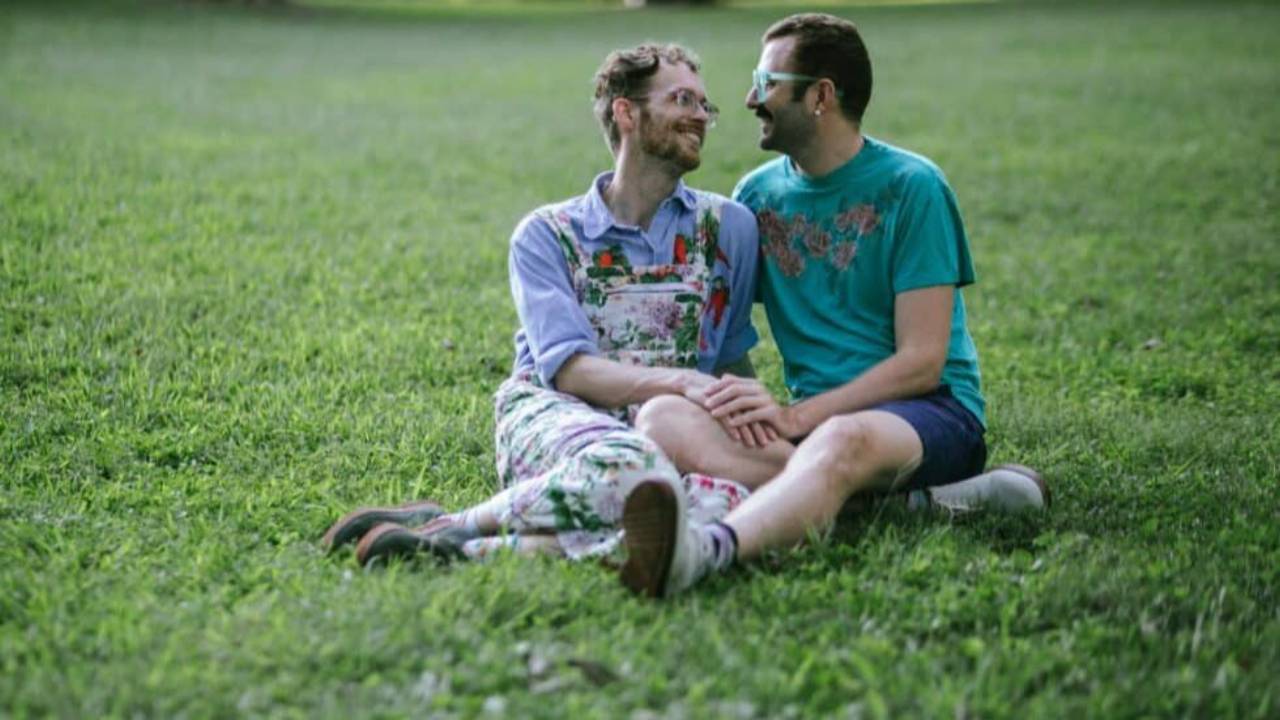
Trauma recovery is personal, but many gay men share common threads in their past experiences. Messages around rejection or the need to hide can settle deep into the body, shaping how we defend ourselves or shut down. These patterns often build over time, making everything from relationships to simple relaxation feel more difficult.

Gay men trauma recovery microdosing is part of a conversation about newer ways to unlearn and release those patterns. The appeal is not just chemical. It is often about inviting a different pace into the healing process. One that does not pressure us to change fast, but gives more space to notice and feel gently.

We have heard people say their interest in microdosing started when talk therapy felt stuck. Not wrong, just limited. It did not always reach the places where memory lives under words. For those seeking softer support, microdosing, with guidance and intention, can create small openings that add up to something meaningful over time.

How San Francisco Shapes the Space for This Work

San Francisco brings its own rhythm to this kind of healing. The city’s culture tends to welcome alternative or progressive approaches, which makes speaking openly about things like microdosing a little easier. That openness matters. Feeling judged or misunderstood shuts healing down fast.

Late winter in San Francisco is often gray and a bit quiet, which actually suits this type of inner work. While nature outside is slow, the body sometimes follows with its own pulling inward. There’s more space this time of year to sit with what’s underneath the surface, and to do it without rushing toward spring.

What helps here is access. Not just to substances, but to people and spaces that honor this kind of gentle, body-aware work. There are yoga and breath classes, trauma-informed guides, and therapists who do not jump to fix, but instead hold space for integration. This layered support helps microdosing feel less like a trend and more like a reflection of healing values already present in the city.

Body Practices That Support Emotional Shifts

Any emotional reset or recovery work needs grounding. Without it, opening up hard feelings can leave someone feeling fragile or disconnected. That is why we often come back to the body when emotional shifts begin, especially if they come with the support of microdosing.

When we stay anchored in simple movement or breath, the nervous system feels a little safer. The body understands that we are still here, still connected.

Supportive practices might include:

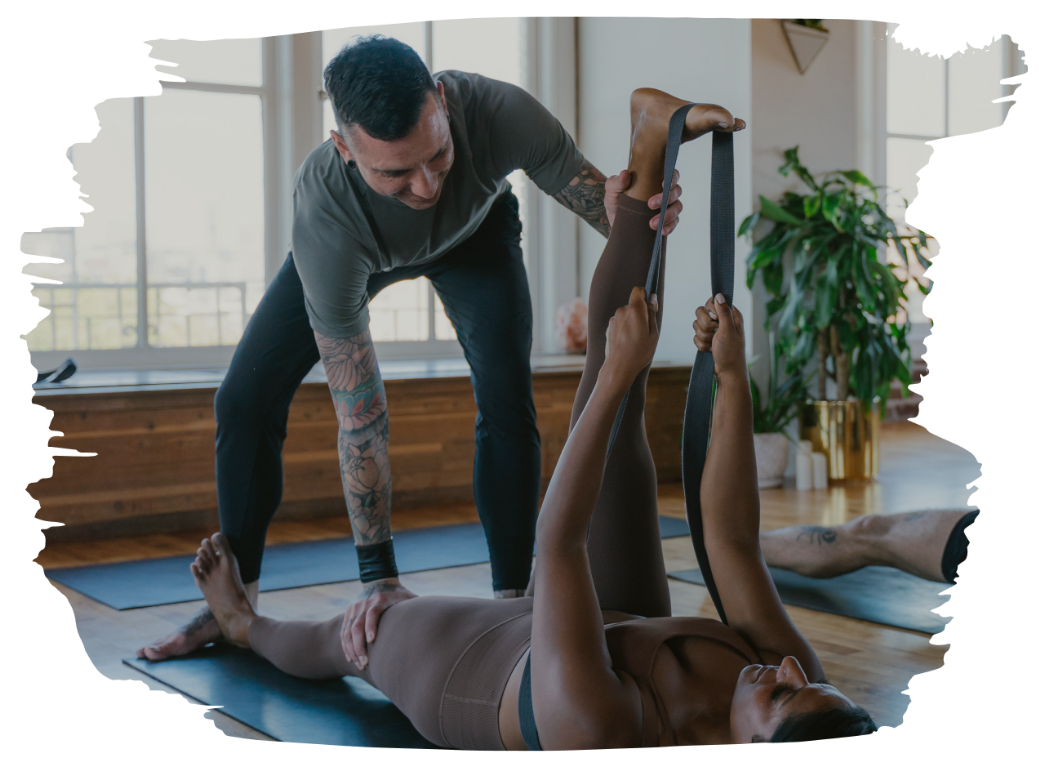
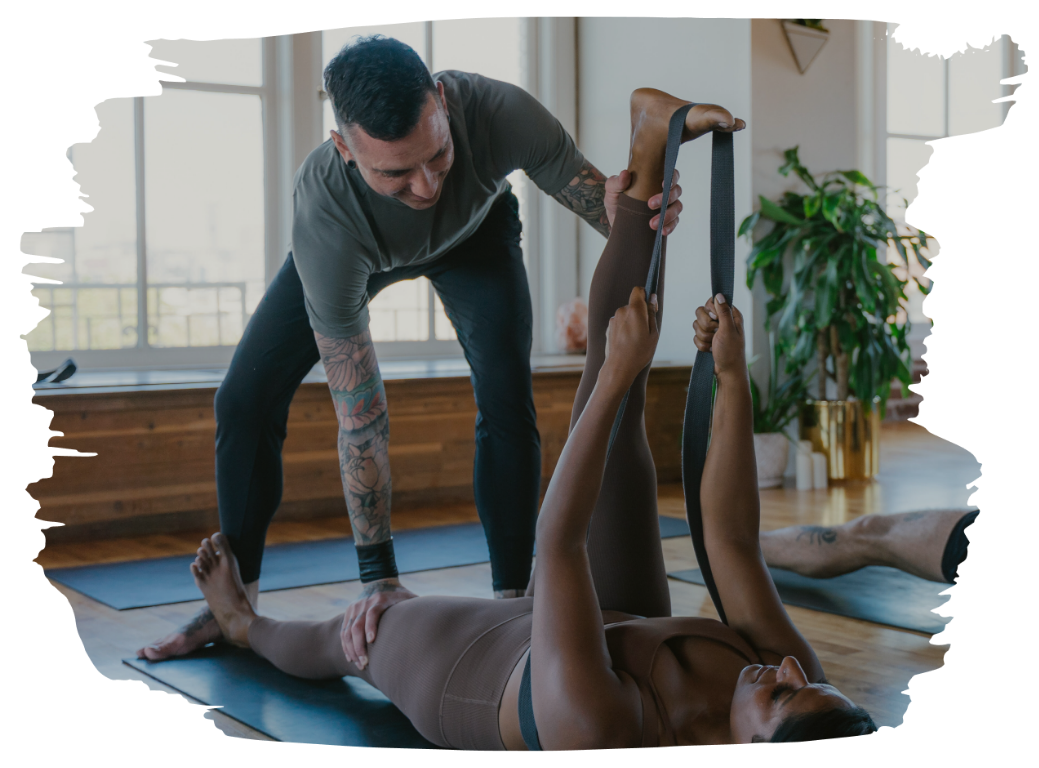
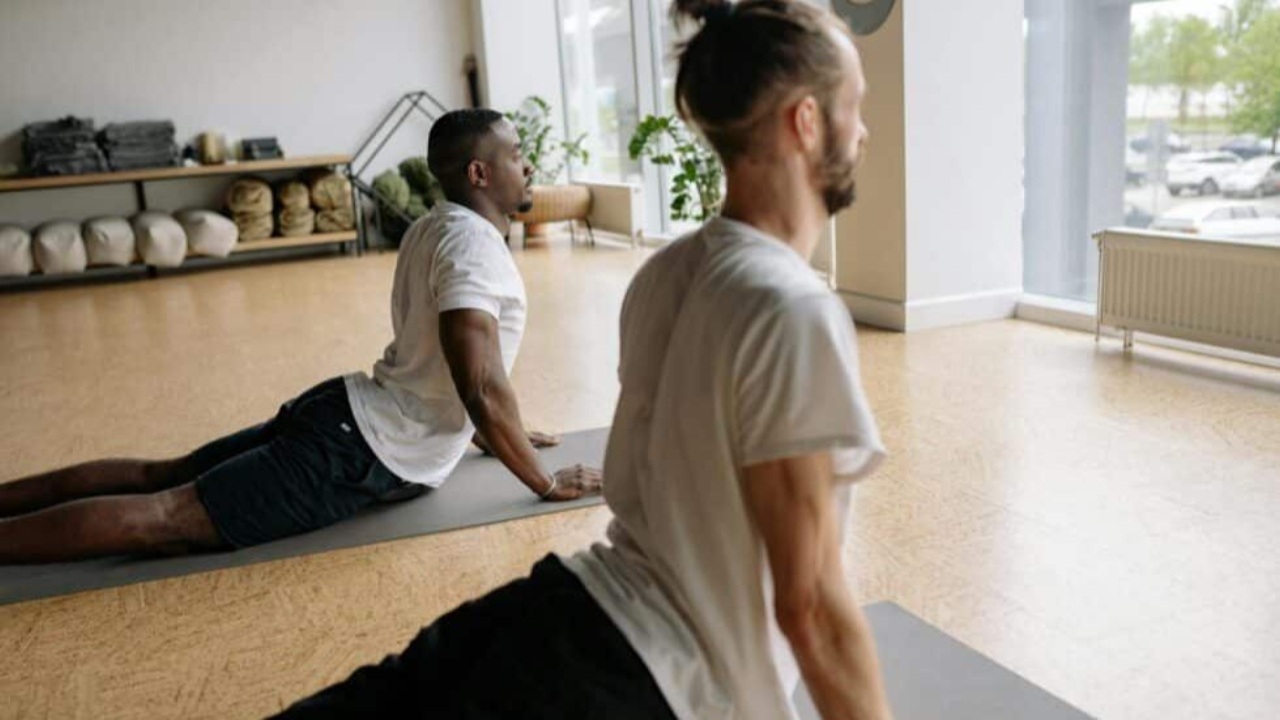
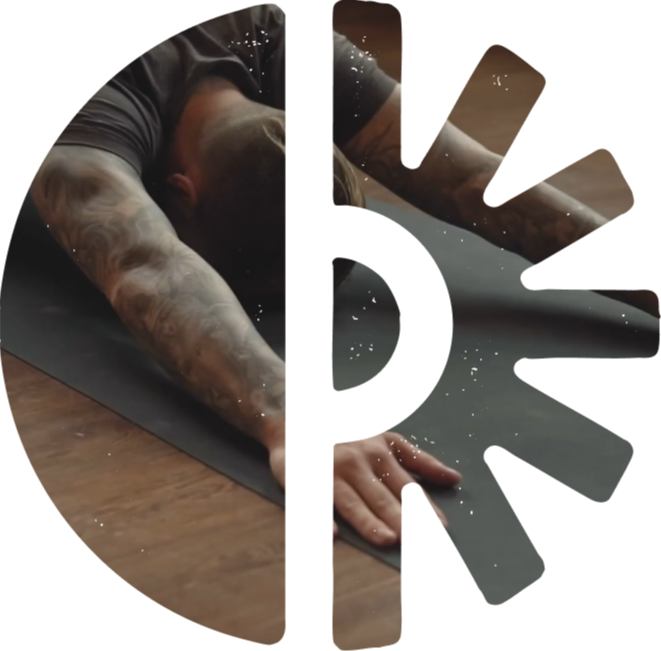
  • Gentle yoga or restorative poses with steady breath
  • Short walks that bring awareness to feet, breath, and movement
  • Body scans that help identify and soften tension areas
  • Sitting or resting without pressure to process or explain

These tools do not need to be grand or impressive. It is about frequency and patience. Small practices, repeated with care, remind the body it is safe enough to shift. They also help close out or integrate emotional experiences so healing does not stay stuck in the loop of overthinking.

Finding What Feels True in Healing

No single path works for everyone. Some people may find that microdosing supports their healing. Others may feel it does not fit, or is not the right time. Both responses are valid.

To make sense of whether microdosing is helpful, some people try to notice small physical or emotional changes as they move through their day. Does a simple walk outside feel different? Do challenging situations ease or shift a bit more gently than before? These observations do not require judgment. They simply offer information that can be used to move carefully, with kindness for wherever you are in your recovery work.

Taking time to notice these little changes, and to reflect on what feels true, can help guide what comes next. Sometimes that means pausing microdosing for a while. Other times it means staying curious. What matters most is supporting your own sense of safety and being open to new patterns, as they develop, whether slow or fast.

The real point here is not whether something like microdosing is good or bad, right or wrong. What matters is whether we are slowing down enough to know what is working for us. Healing is not about following a method. It is about listening, adjusting, and getting honest with what actually feels supportive in the life we are living now.

Gentle Support Through Body-Based Practice

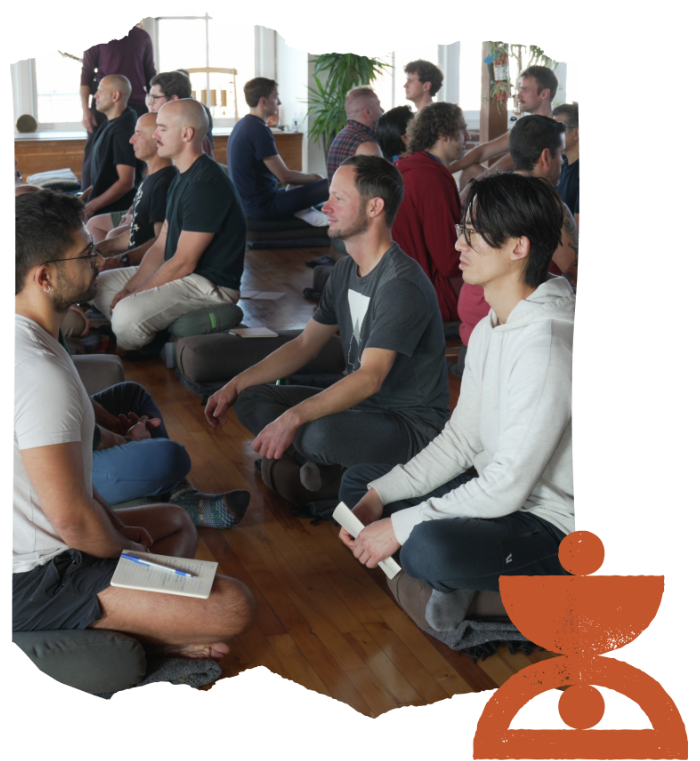
We know how important it is to have a supportive space for both your body and emotions, especially here in San Francisco. At Danni Pomplun, we offer gentle classes designed to help you explore movement as a tool for emotional processing alongside other supportive practices like gay men trauma recovery microdosing. When you are ready to move with more care, reach out and let us hold space for your journey.