
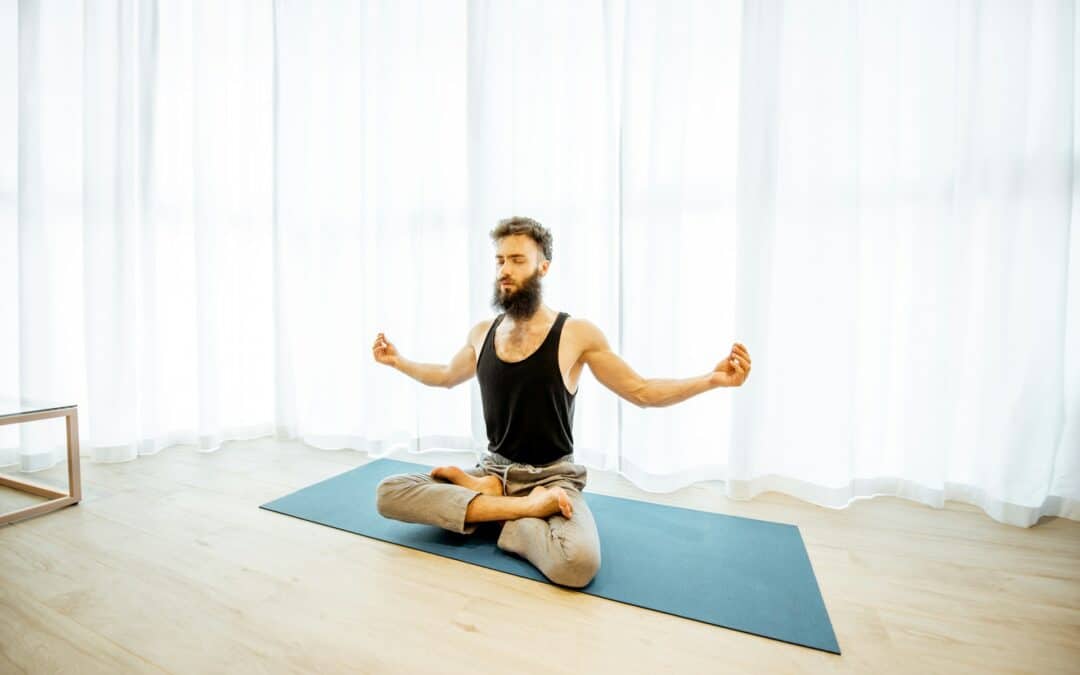
Starting a yoga practice can stir up more than just tight hamstrings. For many gay men in San Francisco, trauma changes how the body feels and how safe it is to show up in a group setting. Past experiences, whether recent or long buried, can shape expectations and reactions, especially when the body is involved. Gay men trauma recovery yoga makes space for these patterns without judgment. It offers a path that isn’t about perfecting poses. Instead, it’s about meeting the body where it’s at. January tends to draw a quieter energy, and with that comes a gentle nudge to turn inward. This can be a good time to notice how trauma might be shaping our practice, and more importantly, how yoga can meet us right there.
How Trauma Shows Up on the Mat
Yoga makes us slow down, and for some, that stillness can bring up things we didn’t expect. Sometimes it shows up as tightness that won’t release, even in poses we’ve done a hundred times. Other times, it’s harder to name.
- Tension might rise up suddenly, even in a soft stretch.
- Breath may stay shallow, locked high in the chest.
- Fatigue might wash over everything, making the body feel heavy and distant.
These physical responses are often paired with emotional ones. For some, a group yoga class can stir up anxiety or shame, especially if there’s a fear of being judged, seen, or simply not fitting in. Even when a space seems welcoming, old memories can surface and activate responses that feel bigger than the room. Disconnection from the body becomes a way to cope, but it also blocks the healing that yoga can offer. That’s why having awareness of how trauma might be hiding inside the practice is the first step toward softening it.
The Unique Layer of Trauma for Gay Men in SF
San Francisco offers more space for openness, but that doesn’t mean healing just happens on its own. Many of us grew up in places or with families where it wasn’t safe to be ourselves. For others, even being out doesn’t mean the body has caught up to the sense of belonging.
- Trauma can be connected to the body itself, a body told too often it was wrong or unsafe to live in.
- Being in queer-centered spaces doesn’t always erase memories of shame or rejection.
- The speed of city life in San Francisco can pressure us into performance, leaving little room for the slow work of healing.
Yoga can feel like a relief but can also feel like a risk. It asks us to feel again, and sometimes that feels too close. Especially for gay men with layered trauma, the invitation to reconnect with the body needs to be offered with care, clarity, and time.
The healing journey often unfolds slowly, with each new class revealing something different. Some days, being in a supportive room makes breathing easier; other days, it feels like you can’t relax enough to notice anything at all. Whether in private sessions or group classes, these experiences form the foundation for deeper change over time.
Why the Right Type of Yoga Matters in Recovery
Not every yoga class is built for healing. For some, a fast-paced flow can be too much too soon. Breath-led, slower styles tend to offer more space to notice without being overwhelmed. Gay men trauma recovery yoga creates choice in every shape and emphasizes feeling over form.
- It doesn’t matter if your heels touch the mat or if you’re the most flexible in the room.
- What matters is whether you feel safe enough to pause or skip a pose entirely.
- Permission is offered, to stop, stay longer, or shift the shape into something that works for your body right then.
This kind of practice helps build trust again. Not just with a teacher, but with your own signals. The goal isn’t to push past or conquer anything. It’s to listen and allow space to feel what shows up without rushing to fix it.
The slower approach also creates space to check in with what’s going on, physically and emotionally. It’s not about “getting it right,” but about letting yourself rest in shapes that support you. You might discover a pose that feels calming or one that helps you let go of tension you didn’t know you were holding.
Trust and Safety in the Practice Space
Safety doesn’t just come from the space, it comes from how it’s held. For people recovering from trauma, choice is everything. That includes choosing who guides the class, what kind of guidance is given, and how much touch or interaction is invited.
- A safer space often includes clear instructions, optional hands-on support, and clear invitations to opt out.
- Knowing you won’t be singled out, corrected harshly, or asked to do something that feels wrong helps the nervous system settle.
- Building that trust takes time. It starts with noticing, noticing how you enter a space, how you leave it, and what happens in between.
Group practice can be powerful, but only when the environment allows each person to move at their own pace. It’s okay to leave parts out or take up more space. Over time, we begin feeling safe enough to stay present, even when something feels hard.
Feeling supported can mean having a quiet moment to check in with yourself before class or simply knowing you can adjust a movement if needed. The more often these options are provided, the easier it becomes to trust your instincts and reconnect with your body.
When Healing Starts to Happen
Healing doesn’t make a loud entrance. It shows up quietly, often in the smaller details. The first changes may not even be physical.
- A calmer breath might arrive halfway through class without trying to force it.
- Certain shapes that once felt impossible may soften, not because of more flexibility, but because the body feels safer.
- Moments of connection, with yourself or the people in the room, start to last a little longer.
What used to feel scary becomes manageable, and what was once numb might start to feel again. Tears, laughter, stillness, it all belongs. No two recovery processes look the same, and that’s okay. What matters more is staying with it, one breath at a time.
It’s important to recognize that progress can look different for everyone. For some, the shift is realizing you want to come back to class. Others might find themselves relaxing a bit more with each session. Sometimes, the most meaningful change is simply finding comfort in stillness or meeting your breath in a new way.
Finding Ground in the Practice
Trauma doesn’t leave the body all at once. It fades bit by bit, through careful movement, clear choice, and a steady return to the present. Gay men in San Francisco who are holding old pain don’t have to walk into a yoga space expecting to be fixed. There’s nothing broken. There’s only the slow return to feeling safe again.
January gives us the permission to slow down. It’s the kind of pause that gives space for deeper shifts. Yoga, when approached gently, becomes less about what the pose looks like and more about what happens when we stay long enough to feel it. That’s where the work shows up, in the staying, the choice, and the breath. And with time, the body remembers it’s allowed to feel safe again.
Taking this time for yourself, especially during the quieter parts of the year, encourages gentle progress. The goal is always presence and gradual reconnecting, rather than rushing to finish any kind of recovery. This process, both personal and powerful, helps build a foundation that supports both mind and body through all the seasons to come.
Why Practice with Danni Pomplun in San Francisco?
At Danni Pomplun Yoga, yoga is taught as more than just movement; it is a process of personal development and mindful self-awareness. Classes are structured to be accessible for every body and every experience level, including those healing from trauma. We are a Yoga Alliance E-RYT 500 teacher who incorporates trauma-informed language, breathwork, and hands-on options to meet students where they are, making each session a supportive space to reconnect and heal at your own pace.
At Danni Pomplun Yoga, we’re here to support your journey toward feeling more at home in your body by honoring your unique pace. For those of us in San Francisco, the quieter winter months offer an ideal opportunity to reset your relationship with movement and breath. Our slower-paced sessions are designed with care and intention, especially for those exploring deeper emotional layers. Join one of our classes that support gay men trauma recovery yoga. Reach out with any questions or to find a starting point that feels right for you.