
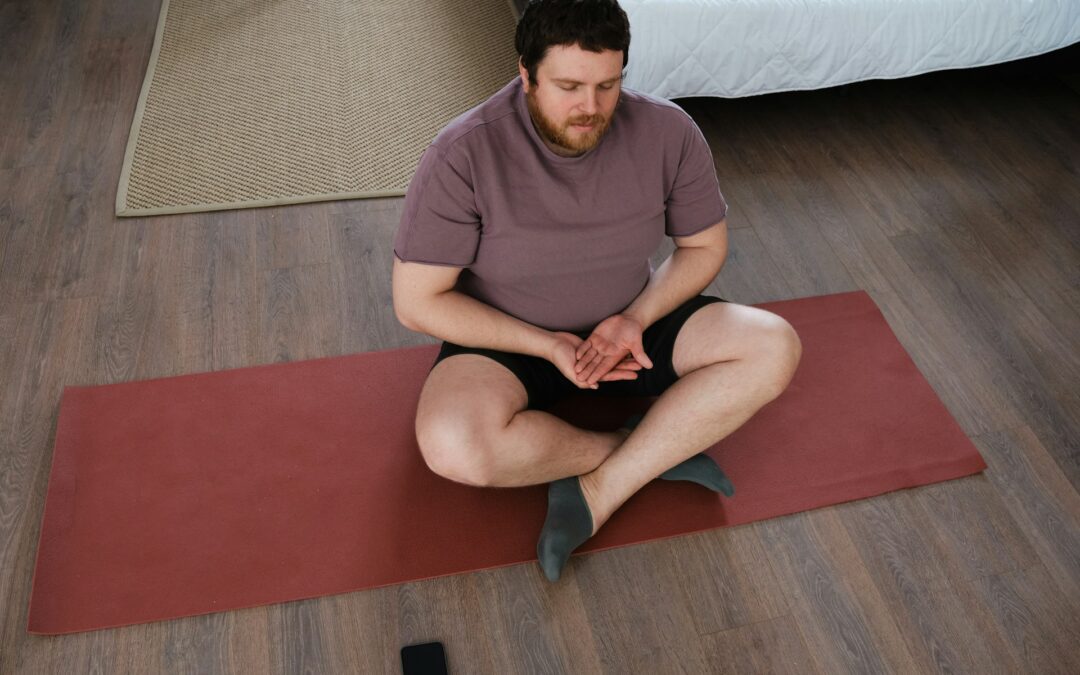
In San Francisco, early spring carries a quiet invitation. The pace is still slow from winter, but something lighter begins to shift in the air. This is the kind of transition that often mirrors the inner work we support through gay men yoga somatic experiencing. Like the trees outside beginning to bud, the body, too, can start to soften in its own time.
For many gay men, somatic yoga is about reconnection and remembering. It is not about doing something “right” or achieving a certain pose. It is more about what happens underneath the surface, the small sensations, the breath returning, the sense of safety growing, even when things still feel uncertain. And while this kind of practice might feel unfamiliar at first, it can be one of the most grounding ways to come home to ourselves.
What Somatic Yoga Actually Means
Somatic yoga focuses on what we feel while we move, not how we look when we move. That means we slow things down. Instead of rushing into a posture, we create space to notice what is already happening in the body. There is no pressure to get anything perfect.
In a typical session, we might:
- Begin with a short body scan to check in and listen
- Move through gentle stretches that let us feel into different areas without overdoing it
- Pause often to notice breath, tension, or emotional patterns
What we are really doing is giving the nervous system room to settle. This can make small movements feel bigger, and familiar ones feel new. We are not trying to fix anything. We are practicing how to notice without judgment, how to move without pushing, and how to rest when that feels better than continuing. It is a shift from always doing to sometimes just feeling.
How It Feels Different for Gay Men
For many of us, the messages we got growing up about how to move, act, or even physically take up space were filtered through shame. Parts of our identity were often pushed down just to stay safe. So when we begin to listen to the body with honesty, it is common for old emotions to come up.
Gay men yoga somatic experiencing can bring tension to the surface that has lived in our shoulders, hips, or chest for years without us even noticing. This is not about digging for trauma. It is more about realizing, “Oh, I have been holding that.” Sometimes softness feels startling. Other times, being seen in non-performative movement, without trying to be masculine enough, flexible enough, or strong enough, feels deeply unfamiliar.
But that is part of the shift. We get the chance to:
- Move without needing to explain ourselves
- Let go of the idea that movement is for someone else’s gaze
- Feel what safety in the body could look like today, even if it was not always there before
We do not have to fight our history to feel something different now.
Spring Shifts and the Body Conversation
The beginning of March in San Francisco still carries cool air, but daylight stays a bit longer and the ground starts to wake up. That in-between space is actually great timing for somatic yoga. Seasonal change gives us a reason to move more slowly, to take stock, and to listen without rushing forward.
Trauma can make feeling the body confusing or even unsafe. But when we lean into the rhythm of seasons, the slower pace of early spring supports quieter somatic work. This might show up as:
- Noticing how breath feels easier when walking near trees or along the water
- Feeling a bit more steady in your feet while standing, even during a long day
- Hearing fewer self-critical thoughts in moments of stillness
These are small shifts. Nothing flashy, but they mean something. They often show that connection is happening even before we know what to call it. Early spring reminds us we do not have to force growth, the body will open when it is ready.
Common Surprises or Misunderstandings
Many people expect somatic practices to feel profound right away. Or they believe that if they do not feel anything, it must not be working. That is understandable, especially when we are used to workouts that measure impact through effort or speed. But with somatic yoga, things can move slowly beneath the surface.
Some things that catch people off guard:
- Sessions can feel boring or quiet, without the rush of adrenaline
- Emotions may show up suddenly and feel like they do not match the movement
- You might question whether you are doing it right when nothing dramatic happens
All of that is okay. Feeling bored, distracted, numb, or uncertain does not mean you are doing something wrong. It means your nervous system is processing at its own pace. Sometimes feeling nothing is evidence your body is beginning to feel safe again. We are not forcing anything, just letting layers unwind over time.
Rediscovering Safety Through Stillness
There is no one way gay men yoga somatic experiencing should feel. That is kind of the point. It meets us where we are, offering space to gently reconnect with the parts of ourselves that went quiet a long time ago.
Progress does not always look like deep insights or big releases. It often looks like letting your shoulders stay dropped for five minutes. Or noticing that your breath did not catch this time when you walked into a room. These are not small just because they are quiet. They matter because they shift how we live in our bodies, even when nobody else can see it.
So we keep showing up for this kind of stillness. Not to fix ourselves, but to remember how it feels when we begin to trust the body again. And from there, we move forward.
Support and Steady Practice in San Francisco
At Danni Pomplun Yoga, we offer support as you reconnect with your body in a supportive and judgment-free environment. Our approach to gay men yoga somatic experiencing in San Francisco provides space for real, steady shifts both physically and emotionally. We focus on keeping everything simple, honest, and centered around your true experience rather than any expectations of how it should look. When you want something different, you are welcome to connect with us anytime.